Source New Engine for Yaris and Vios for Repair, Replacement, and Upgrades
Explore 30 listings for a new engine for Yaris and Vios from verified suppliers. Buyers can compare specifications, prices, and delivery times to find the right automotive parts for their vehicle maintenance needs; compare the available evidence and request quotations based on your requirements.
Key considerations
Products List
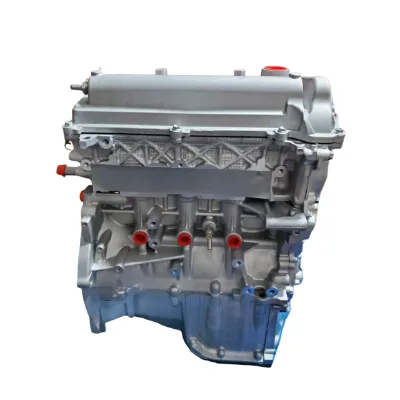
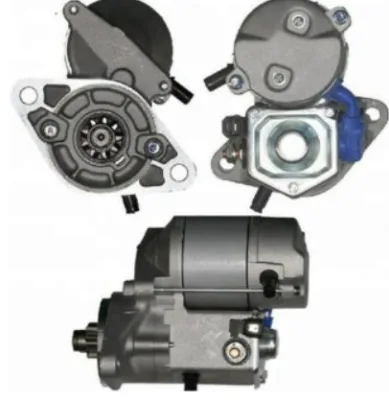
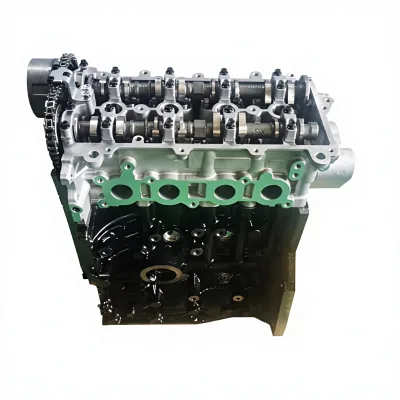
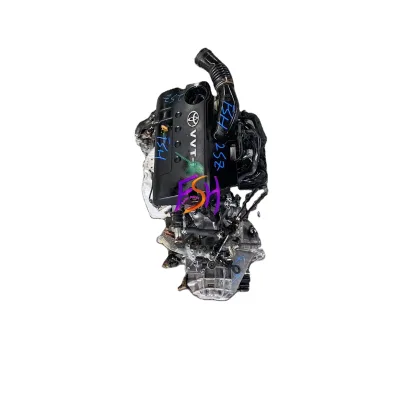
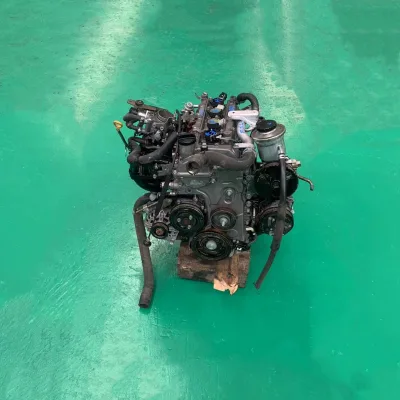
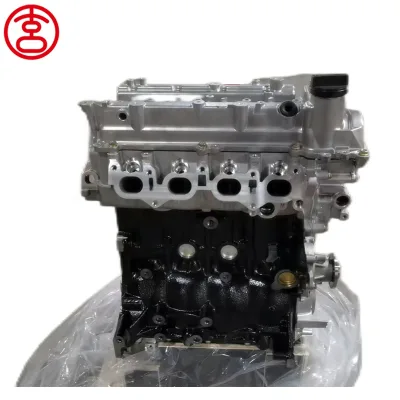
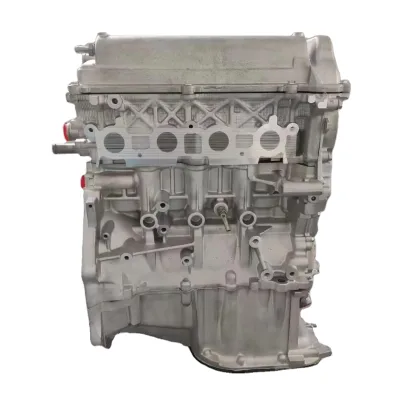
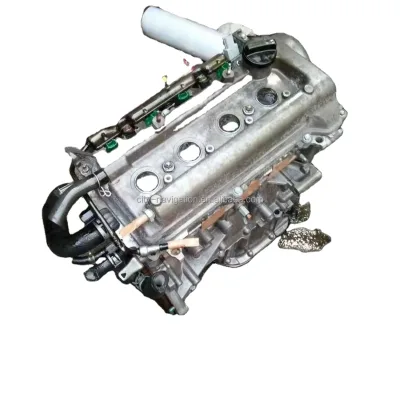
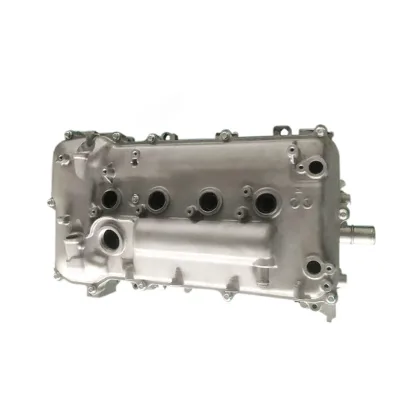
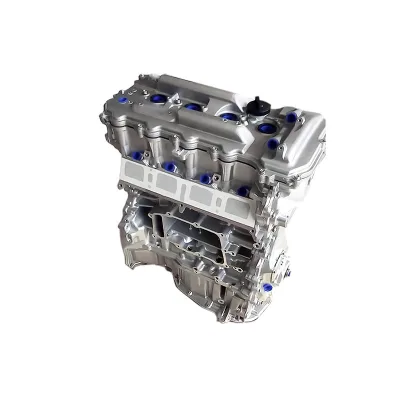
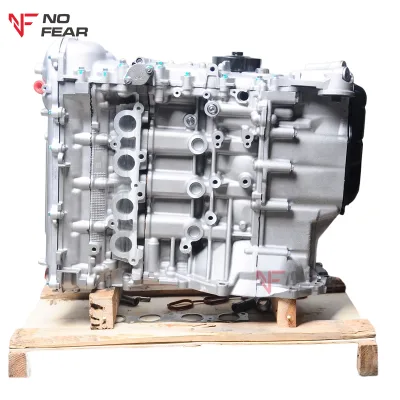
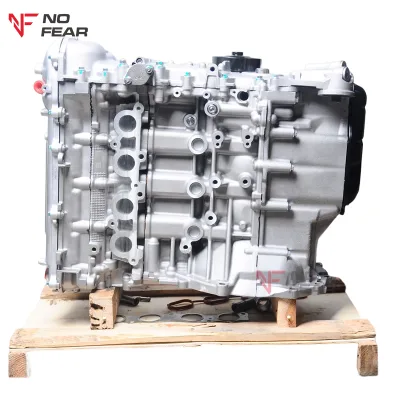
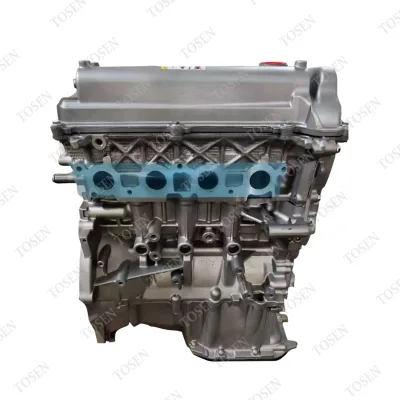

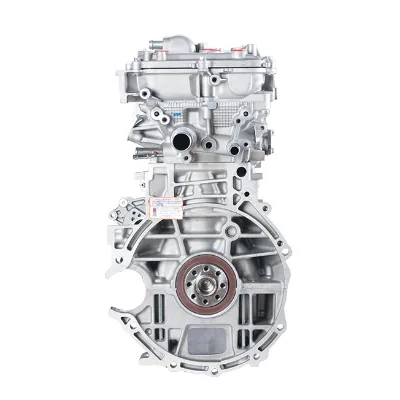


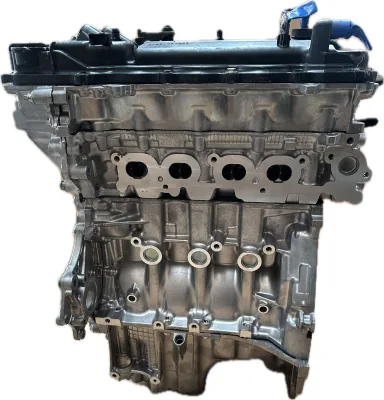


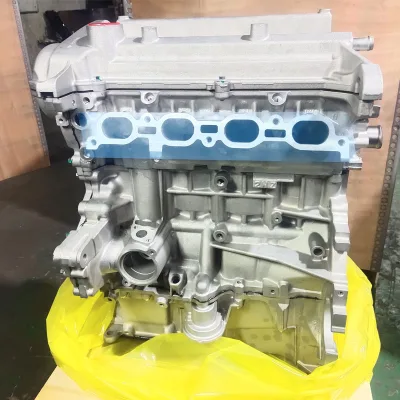



Comprehensive Sourcing Guide
New Engine for Yaris and Vios Sourcing Guide
Procuring a replacement powertrain for Toyota Yaris and Vios models requires careful navigation of the global aftermarket landscape, where listings often conflate distinct engine families and conditions. Buyers must first distinguish between complete engine assemblies and individual components, as the terminology used by suppliers varies significantly across platforms. The core keyword suggests a focus on complete units, yet observed data indicates a mix of new and used inventory, including specific codes like the 2NZ and 2SZ, which serve different vehicle generations. Understanding these distinctions is critical to avoiding mismatches between the ordered part and the vehicle’s actual mechanical requirements.
The sourcing process is further complicated by the diversity of origin points and packaging standards reported in current market listings. While some suppliers indicate origins in China or Japan, others provide vague or conflicting location data, which can impact shipping logistics and customs clearance. Additionally, the presence of both cast iron block assemblies and varying warranty periods, ranging from three months to one year, highlights the need for rigorous verification. Buyers should prioritize suppliers who provide clear, consistent product descriptions and transparent origin information to ensure reliability and reduce the risk of receiving incompatible or substandard components.
Product Scope and Observed Listing Signals
The current market for replacement engines displays a wide variance in product attributes, reflecting the heterogeneous nature of the aftermarket supply chain. Listings frequently cite specific engine codes such as 2NZ and 2SZ, alongside model numbers like 28100-0Y120, which are crucial for identifying the correct block and cylinder head configuration. These identifiers help buyers narrow down options, but the presence of conflicting details, such as varying cylinder counts or fuel types, necessitates cross-referencing with vehicle identification numbers. The scope includes both complete assemblies and partial units, requiring buyers to define their exact needs before engaging with suppliers.
Packaging and physical dimensions also vary significantly, with some listings specifying wooden boxes or neutral cartons, while others provide precise package sizes in centimeters. This variability impacts freight costs and handling requirements, particularly for heavy components like cast iron engine blocks. Buyers should note that some listings report single gross weights up to 280 kg, which influences shipping method selection and insurance needs. Understanding these logistical signals helps in estimating total landed costs and ensuring that the supplier’s packaging standards meet the buyer’s storage and handling capabilities.
Technical Specifications to Verify
Verifying technical compatibility is the most critical step in sourcing a new engine for Yaris and Vios models, as minor discrepancies can lead to installation failures. Buyers must confirm the engine code, such as 2NZ-FE or 2SZ-FE, against their vehicle’s manufacturing year and market region, as these codes denote specific displacement and emission standards. The number of cylinders, typically four for these models, should be explicitly stated, along with the fuel type, whether gasoline or diesel, to ensure alignment with the vehicle’s fuel system. Misidentification of these core attributes is a common source of procurement errors.
Additional technical details, such as torque specifications, power output, and displacement, are often listed as "to be confirmed" or omitted entirely, requiring direct inquiry with the supplier. Buyers should request detailed technical drawings or OEM part numbers, such as 438000-1201, to verify internal component compatibility. It is also essential to confirm whether the engine is a complete assembly or requires additional ancillaries like starters, alternators, or sensors. Clear communication regarding these specifications ensures that the purchased engine integrates seamlessly with the existing vehicle chassis and electrical systems.
Compliance and Safety Documentation
While specific certification standards are not always explicitly listed in general marketplace listings, buyers must ensure that the supplied engine meets relevant safety and environmental regulations for their target market. This includes verifying that the engine does not contain prohibited substances and that it complies with local emission standards, which vary by region. Buyers should request documentation from the supplier confirming that the engine has undergone necessary quality checks and meets industry norms for automotive parts. This due diligence helps mitigate legal and operational risks associated with importing and installing replacement powertrains.
Documentation should also include clear proof of origin and material composition, particularly for cast iron components, to ensure traceability and quality assurance. Buyers should ask for test reports or quality control certificates that validate the engine’s structural integrity and performance capabilities. Although some listings mention high-quality standards, these claims must be substantiated by verifiable documentation. Ensuring that the supplier provides comprehensive compliance documentation protects the buyer from potential liabilities and ensures that the engine is safe for road use.
Cost Drivers and Commercial Terms
The cost of a new engine for Yaris and Vios models is influenced by several factors, including the engine code, condition, and origin. Listings show a wide price range, reflecting differences in quality, warranty, and supplier reputation. Buyers should consider the total landed cost, including shipping, insurance, and customs duties, rather than just the unit price. The observed minimum order quantity (MOQ) of one piece allows for flexible purchasing, but bulk orders may offer better pricing. Understanding these cost drivers helps buyers budget accurately and negotiate favorable terms.
Commercial terms, such as payment methods and delivery times, also impact the overall procurement experience. Suppliers often accept various payment options, including T/T, Western Union, and PayPal, each with different security levels and processing times. Delivery times typically range from one to seven days, but this can vary based on stock availability and shipping method. Buyers should clarify these terms upfront to avoid delays and ensure that the supplier can meet their timeline. Transparent commercial terms facilitate smoother transactions and reduce the risk of misunderstandings.
Supplier Qualification and Quality Control
Evaluating supplier qualification is essential to ensure the reliability of the sourced engine, particularly given the variability in product quality and service levels. Buyers should assess the supplier’s track record, including customer reviews, response times, and after-sales support. The availability of 24-hour online service is a positive indicator of responsiveness, but buyers should also verify the supplier’s ability to handle technical inquiries and resolve issues promptly. A qualified supplier will provide clear communication and demonstrate expertise in automotive parts.
Quality control measures should be explicitly discussed, including inspection processes and warranty terms. Buyers should confirm that the supplier conducts rigorous testing on each engine before shipment and provides a warranty that covers defects and performance issues. The observed warranty periods vary, so buyers should seek suppliers offering longer coverage for greater protection. Additionally, buyers should inquire about the supplier’s return and replacement policies to ensure that they are protected in case of non-conforming products. Thorough supplier qualification minimizes risk and enhances procurement confidence.
Long-Term Procurement Checks
Establishing long-term procurement checks ensures sustained quality and reliability in the supply of new engines for Yaris and Vios models. Buyers should implement regular audits of supplier performance, including delivery accuracy, product consistency, and customer service responsiveness. Tracking key performance indicators, such as defect rates and warranty claims, helps identify trends and areas for improvement. Regular communication with suppliers fosters a collaborative relationship and encourages continuous quality enhancement.
Buyers should also stay informed about changes in engine technology and market trends, which may affect part availability and pricing. Periodic reviews of supplier contracts and terms ensure that they remain competitive and aligned with the buyer’s evolving needs. Additionally, maintaining a diversified supplier base reduces dependency on single sources and mitigates supply chain risks. By implementing robust long-term procurement checks, buyers can secure a stable and reliable supply of high-quality engines, supporting their operational efficiency and customer satisfaction.
FAQs
What is the warranty period for new engines?
The warranty period is typically one year for new engines. Some listings also offer a three-month warranty for used units. Buyers should verify the specific warranty terms provided by the supplier before completing the purchase to ensure coverage matches their needs.
Which car models are compatible with these engines?
These engines are designed for Toyota models including the Yaris and Vios. The product specifications explicitly list these models as the primary application. Buyers must confirm the exact engine code matches their vehicle requirements before ordering to ensure proper fitment.
How long does delivery take for these engines?
Delivery time ranges from one to seven days for most orders. This lead time applies to standard shipping arrangements from the supplier. Buyers should confirm the exact shipping method and destination to get a precise arrival date for their specific location.
Can I order a single unit of the engine?
Yes, the minimum order quantity is one piece for most listings. This allows buyers to purchase a single item without needing to meet bulk requirements. The selling units are listed as single items, making small orders feasible for individual repairs.
What payment methods are accepted for these engines?
Accepted payment methods include T/T, Western Union, and PayPal. Buyers can choose the method that best suits their transaction security needs. It is important to verify the specific payment options available with the seller before initiating the transfer of funds.
What is the material used for the engine block?
The engine block is constructed from cast iron material. This provides durability and heat resistance suitable for automotive applications. Buyers should check the specific product description to confirm the material composition matches their performance requirements for the vehicle.
Where are these engines manufactured or sourced from?
The place of origin is listed as China, specifically Hunan, or Japan for some units. Buyers should verify the specific origin stated in the product listing. This information helps determine shipping logistics and potential import regulations for the destination country.